
Sod Education: Tips and Guides for a Healthy Lawn
Welcome to The Sod Lot’s Sod Education page—your go-to resource for helpful information, expert tips, and practical guides on sod care, installation, and maintenance. Whether you’re a first-time sod installer or a seasoned landscaper, understanding how to properly lay and care for your sod is key to establishing a lush, vibrant lawn that thrives year-round.
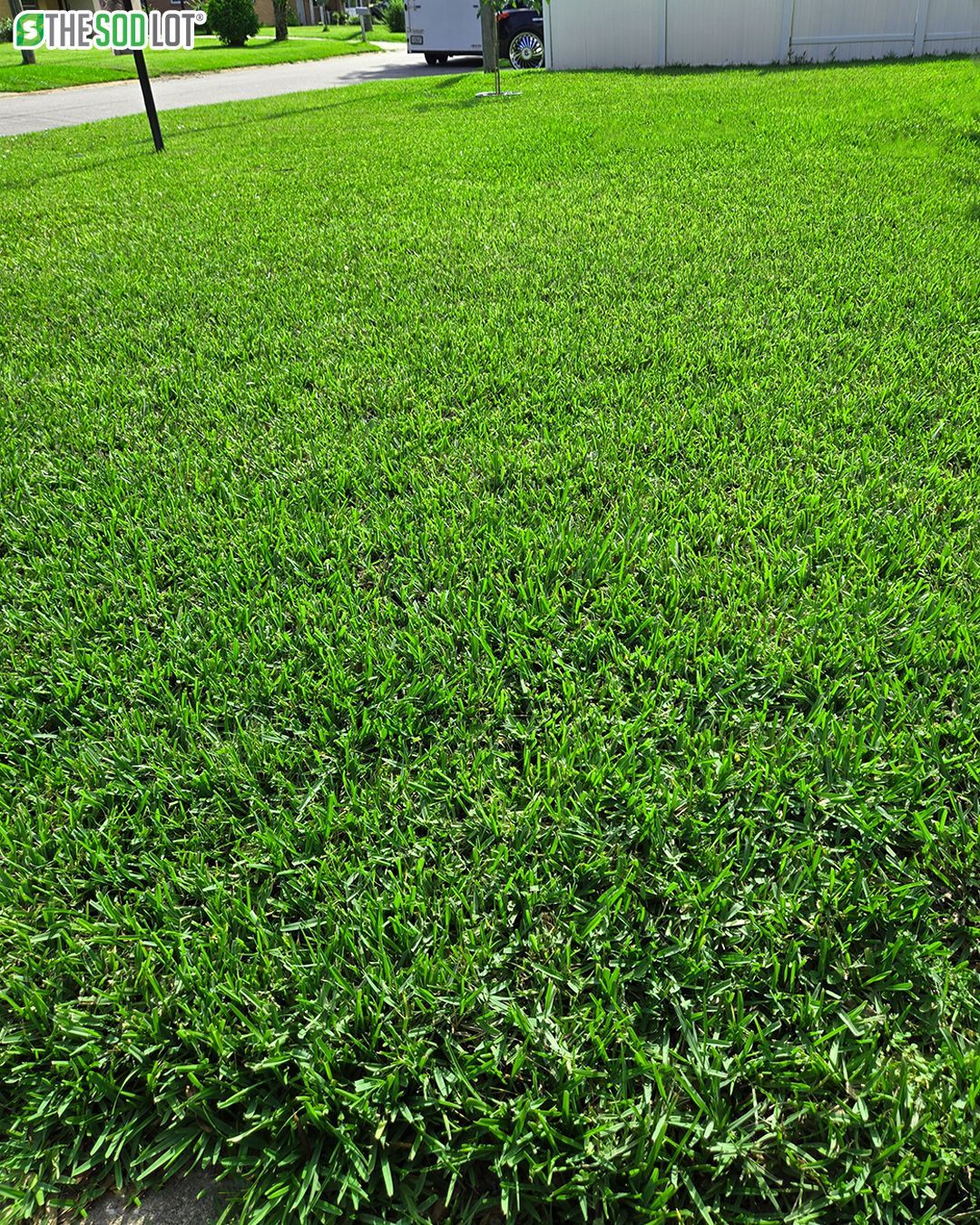
Sod Care
Install your new sod as soon as possible upon receiving it.
Sod is perishable and must be installed quickly upon receipt and followed by deep watering. Heat can build up and cause damage to turf. Most successful sod installations are done right after delivery to the jobsite. After installing, begin irrigation deeply, 3-4 inches down into the soil until it’s soggy to walk on.
You can treat your sod for insects as soon as 24 hours after laying your new sod to prevent infestations. Remember to frequently monitor your grass for insect infestations, especially in the warmer months of the year, and treat as needed.
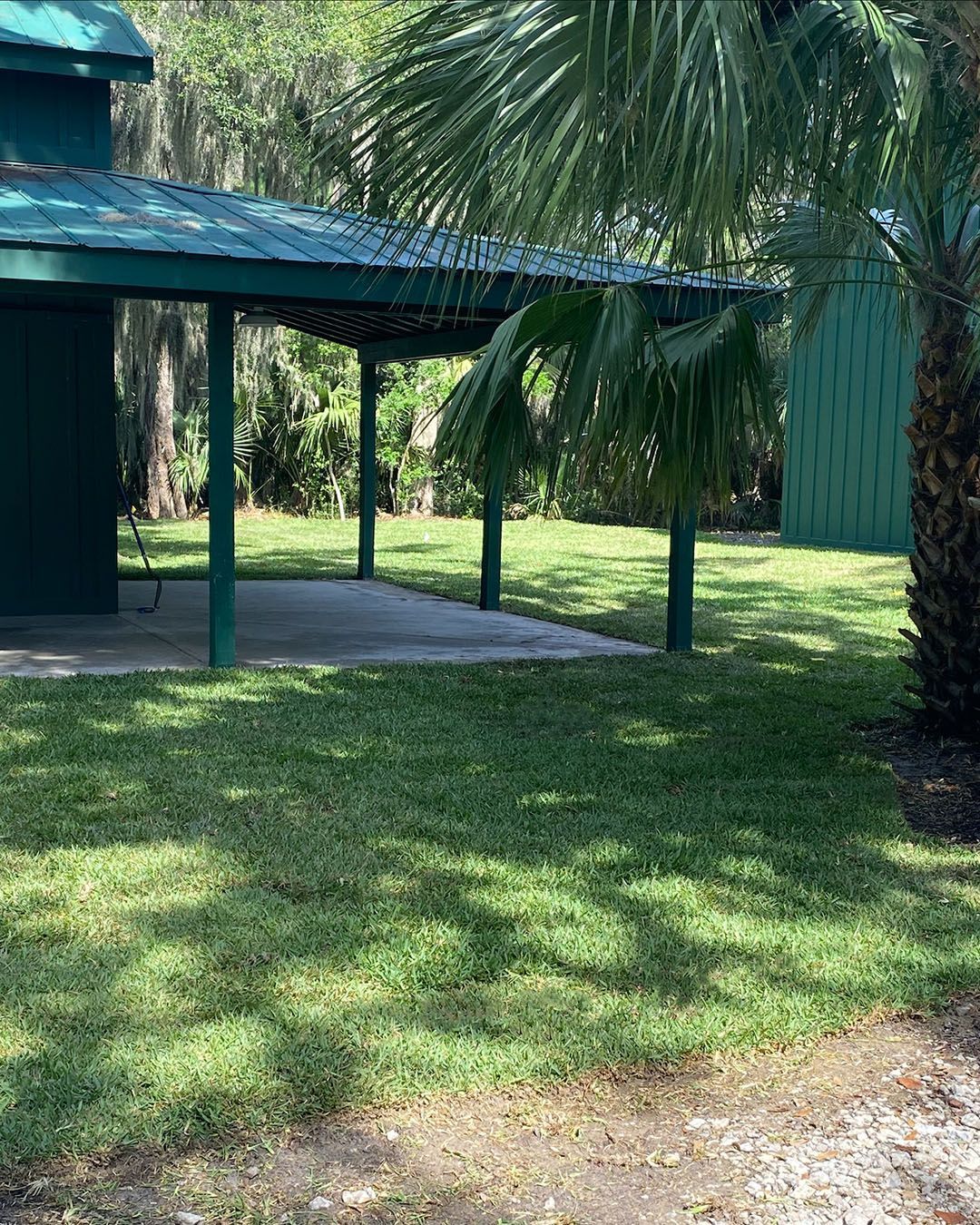
First Two Weeks After Installation
Proper watering is essential to establishing rooting of your new sod. (If you're referencing this in the winter, please see our winter sod care guide.)
As a rule, keep sod and soil moist all throughout the day. Watering every day in the morning and early afternoon is required until sod begins to root—usually this is for the first 10 days. Adjust these instructions for location, sprinklers, and temperature. Watering times should be between 6-7 am in the morning and 2-4 pm in the afternoon during the summer. For fall and winter months make sure the last watering is before the sun sets; therefore, the sod has time to dry some before the next watering.
If laying sod on a hot day, lightly water the soil prior to putting down your sod.
To establish healthy rooting, keep in mind the sod needs to be watered thoroughly but also needs some time to dry before the next watering.
Tread lightly when walking on the new sod until after the first mowing, which is generally 30 days after installation.
Try cutting back the frequency of irrigations to once a day after rooting is established just before the first mow to firm up the soil.
The first mowing of your new lawn is approximately 30 days after installation, except in the winter, which will require a longer time before the first mow.
Mowing high is the least stressful to your new sod. Never mow more than one-third of the grass blade's length.
Three to Four Weeks After Installation
Re-adjust your watering clock or timer. Reduce the frequency of waterings gradually after each mowing while increasing the minutes per watering.
Deeper, less frequent soakings will help roots grow down deeper and establish more quickly into the soil. You can pull or tug on turf to check for rooting.
Fertilize your new sod lawn after one month to continue encouraging rooting and establishment.
(If still you have any questions about caring for your sod, please feel free to call your local store location—we're happy to help!)
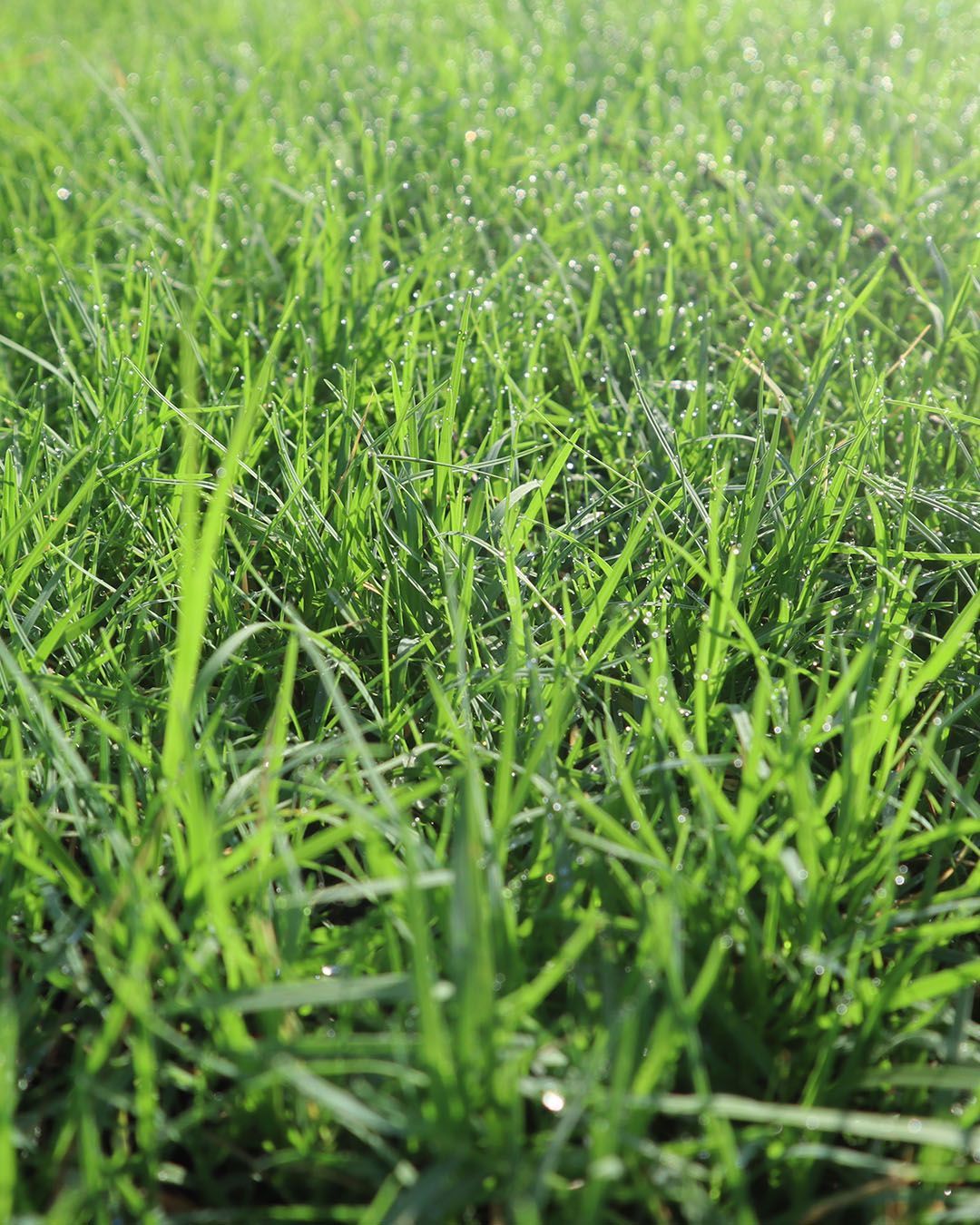
Laying Guide
Step-By-Step:
1. Prep your ground. Till up the top layers of dirt and remove any existing grass or deep roots from the area. Level any areas that are lumpy and need to be smoothed out.
2. Lighten and dampen the soil and spread a new lawn starter if you’re using one.
3. Start placing the sod against the longest straight edge of the area, moving in straight lines. The pieces should be pushed down flat (dirt-to-dirt), smoothing out any lumps & butting up each piece to the last without leaving any gaps.
4. Trim any pieces of sod as needed for your area to fit as needed for pathways, irrigation, or any other areas that don’t call for a full piece of sod.
5. Water your newly installed sod and proceed to follow normal sod care instructions for the next 2 weeks.
Bonus Tips:
Avoid overlapping the edges of pieces so that all the roots are flat with your grated soil.
Smooth out any footprints after grating and wetting the soil prior to installation.
Treat lightly on fresh sod to allow for a smooth rooting process.
Sod is a living product and has a limited lifespan from the time it’s cut out of the fields to the time it’s laid, so lay it as soon as possible for the best quality sod.
You can treat your new sod for insects as soon as 24 hours after laying it to prevent infestations and damage to your new lawn. It also helps to periodically check it throughout its life for insects, especially in the warmer months.
If you have any questions, feel free to give your local store a call & our experts will be happy to help.
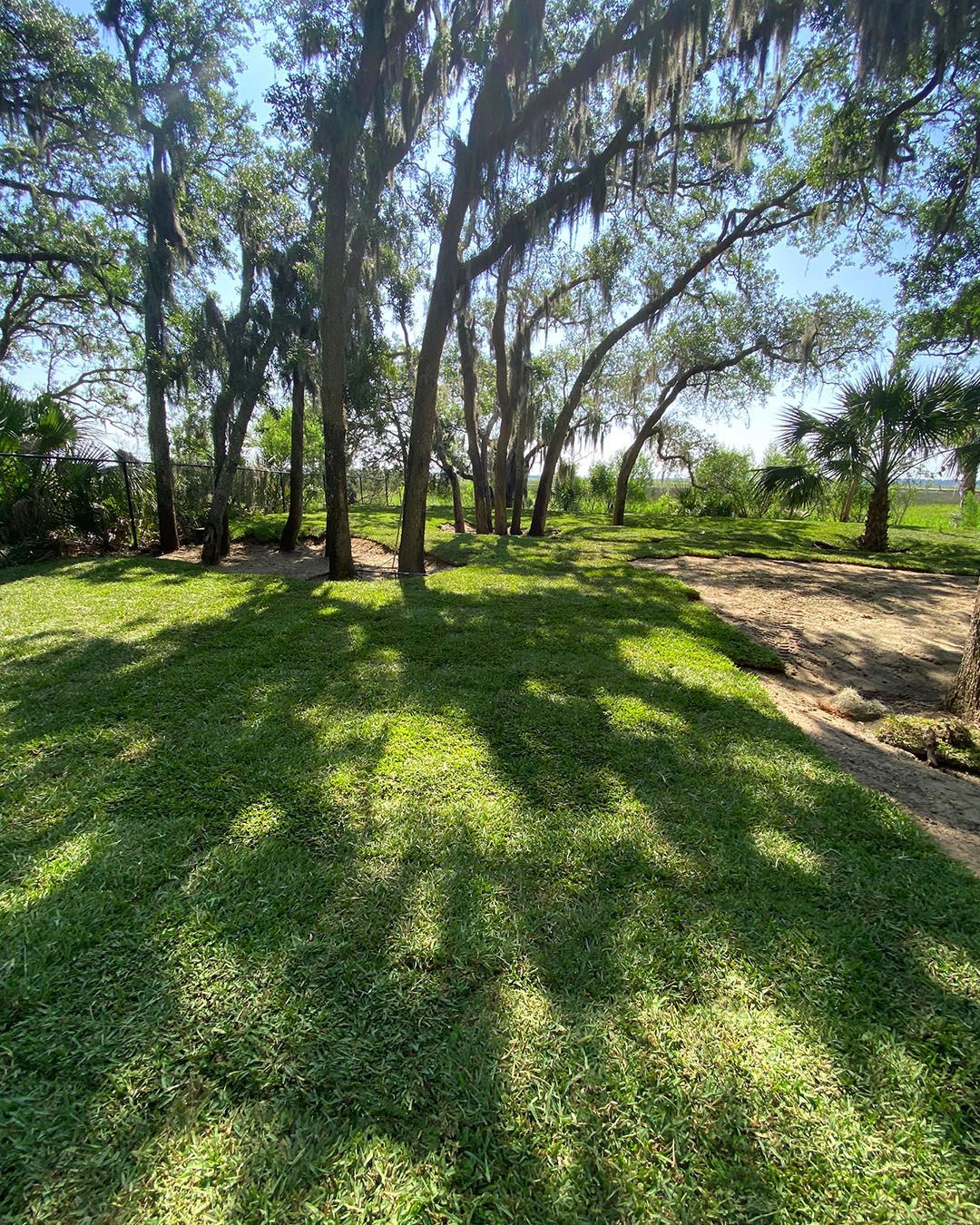
Month-By-Month Care
St. Augustine – Zoysia – Bermuda
January:
- Check your soil’s pH & correct if necessary with limestone.
- Inspect for winter damage.
February:
- Apply Hi-Yield Atrazine to the lawn to prevent weed seeds from germinating.
March:
- Apply Yard Mastery’s Stress Blend fertilizer to help grass come out of dormancy.
- Apply the first treatment of Hi-Yield Bug Blaster to prevent insect infestations.
April:
- When April brings its showers, consider lowering your irrigation times to prevent your lawn from being soaked constantly. We recommend setting your irrigation to 60-minute watering, twice a week.
May:
- Feed your lawn with a slow-release granule fertilizer like The Sod Lot 20-0-10 or Yard Mastery Flagship.
- Apply fungicide like F-Stop to prevent lawn fungus problems before they start.
June:
- Monitor your lawn for weeds and treat as needed with a Hi-Yield Atrazine.
July:
- Apply Hi-Yield Bug Blaster to treat mole crickets, fire ants, fleas & chinch bugs.
- We recommend adjusting irrigation to 60-minute watering, three times a week. If you’re experiencing drought, apply Yard Mastery’s Moisture Max to increase water retention.
August:
- Time to control lawn fungus with fungicide like Fertilome F-Stop.
September:
- This time of the year is when lawn problems peak! You can apply Yard Mastery’s Stress Blend fertilizer to help your lawn recover from stress, bugs, disease, or drought damage.
October:
- Apply a final treatment of Bug Blaster to protect your lawn until spring.
November:
- As temperatures fall, consider applying a winterizer to protect against cold & frost damage.
December:
- Let your lawn rest & perhaps go dormant, depending on your grass type.
Winter Sod Care
Winter’s Effect on Lawns in Florida
You can lay sod any time of the year in Florida, but winter dormancy can change the way your lawn looks. Here’s the science behind it:
Florida’s warm-season grasses naturally go dormant when soil temperatures drop below 50°F. It’s important to remember this refers to soil temperature—not the air. During winter, shorter days also play a big role. With less sunlight, all grass varieties slow their growth. For example, December averages only about 9 hours of daylight, compared to nearly 15 hours in July. Your location in the state also affects how your lawn behaves in winter.
North Florida (Orlando and above): Dormant sod is very likely.
Central Florida (Orlando to St. Petersburg): Sod may or may not go dormant depending on how cold the season is.
South Florida (below St. Petersburg): Sod often stays green all winter unless there’s a rare freeze.
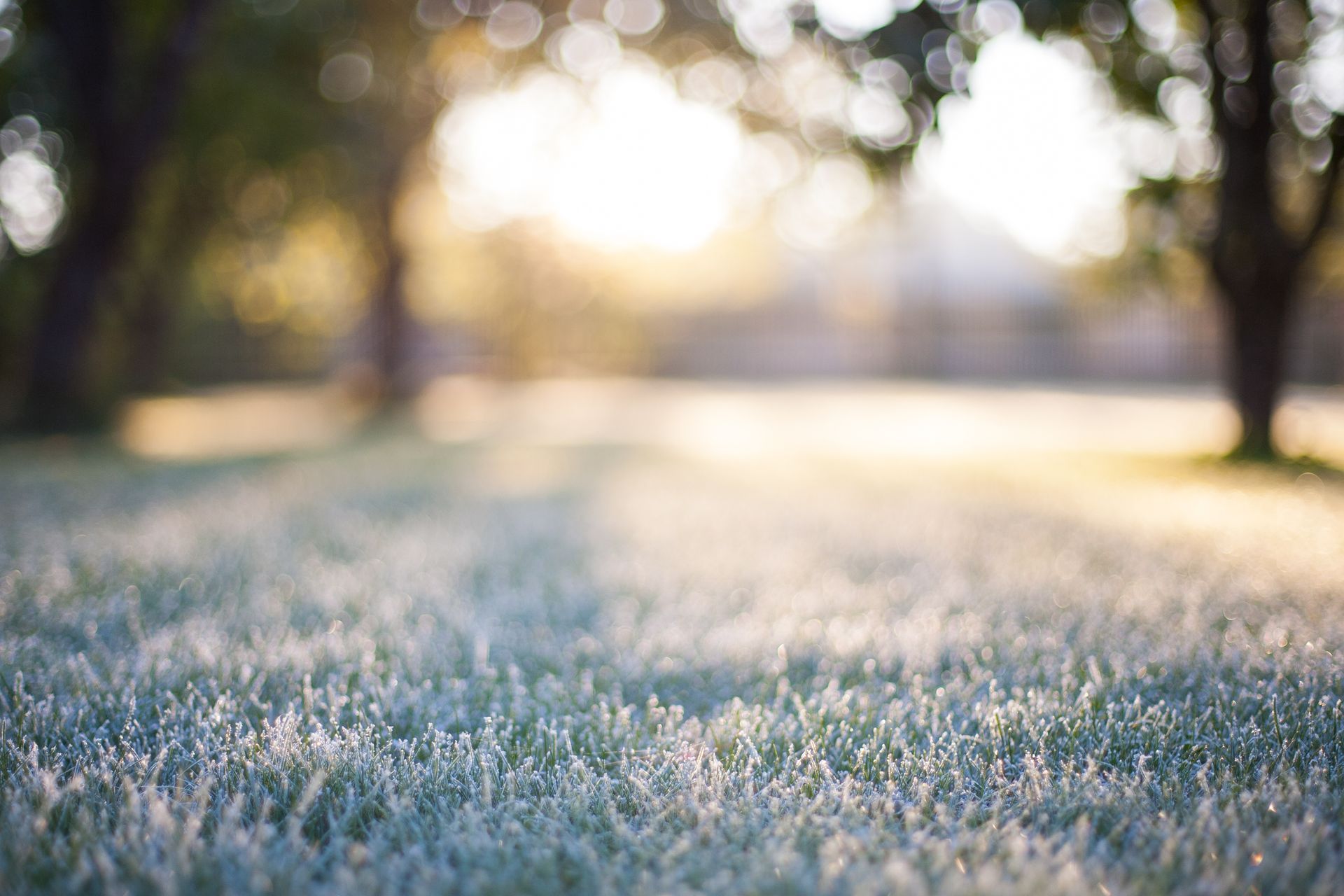
Winter Lawn Care
A common misconception is that your lawn doesn’t need care during the winter. It definitely still does—just with a slightly different approach. Continue watering, but reduce the frequency since cooler weather slows evaporation. If you want to give your lawn a nutrient boost, consider using a nitrogen-based fertilizer to help maintain health going into spring. Concerned about weeds? A product containing atrazine works well as both a pre- and post-emergent.
One important note: avoid applying liquid treatments right before a freeze. Always check the weather before treating your lawn.
Florida Winters: Dormant Sod Guide
Why does sod go dormant & brown in the winter?
Warm-season grasses (like Florida natives Zoysia, Bermuda & St. Augustine) naturally go dormant in cooler months.
Dormant sod is in "sleep mode" to protect itself until warmer weather returns.
Cooler temperatures slow or even halt the grass’ vertical growth, but the root structure remains healthy.
Grass changing colors to gold or brown is normal—your grass is not dead!
Benefits of installing dormant sod:
Dormant sod still has a healthy, strong root system, & installing it avoids the stress of planting during Florida's hotter months.
Reduces mud, dust, weeds & erosion.
Provides instant curb appeal for your lawn.
Caring for dormant sod:
Dormant sod still needs water, especially when newly installed.
Florida's winter rains help, but watch for dry, windy days that can cause sod to dry out.
Make sure sod is laid on loose, prepared soil and pressed down for good root contact. (See our laying guide.)
Spring green-up & coming out of dormancy:
Sod starts to "wake up" as soil warms back up (above ~65°F). The roots wake up first, followed by green blades & new growth.
Once sod is out of dormancy & you see new growth, mow at your normal height to slowly remove frost-damaged blades.
Wait until after the last frost of winter to fertilize and help the sod recover from winter.
Apply pre-emergent herbicide in early spring (Feb-March) to stop weeds before they start.
Dormant sod is a healthy, natural choice for Florida lawns in cooler months. With proper care & a little spring follow-through, your lawn will “wake up” lush and green!




